Neighborhood Market Habits

What the Weekly Market Taught Me About Biblical drink (oil)/ Honey blend and the Rhythm of Everyday Meals

Long before it had a name on a label, Biblical drink (oil)/ Honey blend was just another jar carried home from the corner stall — part of a kitchen routine, not a promise. This is a look at how that habit fits into an ordinary week of meals, nothing more.

Everyday Nutrition  ·  Daily Habits  ·  Educational Content

The Gap Between How a Day Is Supposed to Go and How It Actually Goes

On paper, eating well sounds simple: a balanced plate, a walk, an early night. In practice, the day rarely cooperates. These are the small frictions that show up between the grocery bag and the dinner table, the ones nobody puts in a brochure.

The Afternoon Slump After Lunch

There is a particular kind of tiredness that arrives an hour or two after lunch, heavy enough to make the rest of the afternoon feel like it is being pushed uphill. It rarely gets talked about outside of quiet complaints to a coworker or a spouse.

Mornings That Start Already Behind

Some mornings begin with a fog that coffee does not quite clear. Getting dressed, packing lunch, deciding on breakfast — all of it happens under a low hum of fatigue that was there before the day even properly started.

Standing in the Kitchen, Unsure What to Cook

The fridge is open, there are groceries inside, and still nothing feels like the right answer. Conflicting advice from articles, relatives, and old habits tends to cancel itself out, leaving a kind of standstill right at dinnertime.

The Quiet Weight of Deciding Every Single Meal

Three times a day, a decision has to be made, and over weeks that adds up to a low background pressure. Nobody talks about how tiring it is simply to keep choosing, meal after meal, without ever really pausing to rest from the choosing itself.

What Gets Repeated at the Market Stall Versus What Actually Holds Up

Between vendors, neighbors, and old family sayings, a lot gets passed around about food and blood sugar. Some of it is outdated, some of it never had much basis to begin with. Here is a plain look at three of the most common claims.

MYTH

All carbohydrates are the enemy and should be avoided entirely.

FACT

Carbohydrates are a broad category that includes leafy vegetables, whole grains, and refined sugar alike. The conversation is usually less about avoiding a whole food group and more about which foods someone chooses, paired with what, and how often — a conversation best had with the professional who already knows the full picture.

MYTH

Fruit is basically sugar in disguise, so it is off the table.

FACT

Fruit sits in a different category than candy or soda, and whole fruit brings fiber and water along with its natural sugars. That said, how much and how often still varies from person to person, which is exactly the kind of detail worth reviewing with a healthcare provider rather than deciding alone.

MYTH

There is a special category of ‘diabetic food’ that is always the safe choice.

FACT

Many products marketed this way are simply reformulated snacks, not a guaranteed safe zone. Reading a label carefully matters more than trusting a marketing phrase, and any real questions about what belongs on a plate deserve a conversation with a doctor or dietitian, not a supermarket sign.

Three Small Habits Around the Meal Itself, Not the Ingredients

None of this is about a strict diet or a new rule to enforce. It is closer to the small, almost boring adjustments a grandmother might have made without ever naming them — habits around the meal itself rather than what is on the plate.

01

Notice the Order Things Are Eaten In

Some households have long favored starting a meal with vegetables or a simple broth before moving to heavier items. It is a small sequencing habit, more about pacing a meal than restricting it, and it is worth discussing with a healthcare provider if there is curiosity about whether it fits a particular routine.

02

Slow Down the Pace of the Meal Itself

Eating quickly at a desk or standing over a sink is a different experience than sitting down and taking twenty unhurried minutes. This is less about any single food and more about the rhythm of the meal — chewing, pausing, noticing when a plate is actually finished.

03

Add a Little Movement After the Plate Is Cleared

A short walk around the block, some light tidying, even standing instead of immediately sitting — these are modest, low-effort habits some households build in after dinner. As with any change to routine, it is worth mentioning to a doctor, especially if other health matters are already being managed.

A Jar That Has Been on Kitchen Shelves Longer Than Most Recipes

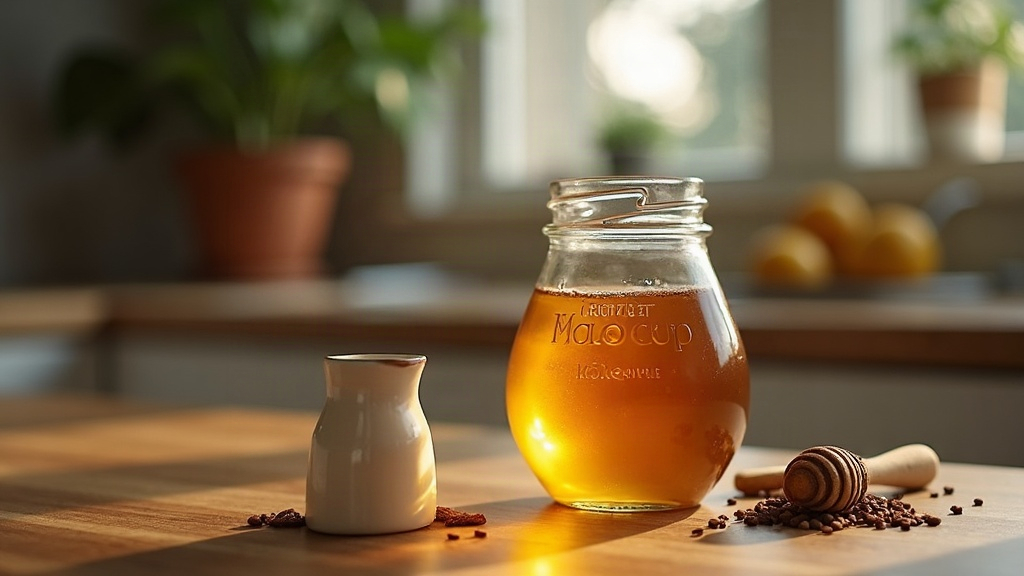
Long before nutrition labels existed, a blend of oil and honey — sometimes referred to in old texts and family stories as a biblical drink — made its way through markets and kitchens as a pantry staple rather than a remedy. It shows up in old cookbooks stirred into warm bread, drizzled over roasted vegetables, or folded into a simple marinade passed down from a grandmother who learned it from her own mother. Market vendors selling honey and pressed oils side by side were a common sight in many town squares, and the pairing of the two in a single jar was as much about flavor and preservation as anything else. Its place in the kitchen was cultural: a way of finishing a dish, sweetening a bitter herb, or making a modest meal feel a little more festive on a Sunday. None of that history turns it into a solution for any health concern — it simply explains why the jar still shows up on some kitchen counters today, tied to a memory of a market stall more than to any claim about the body.

The story behind an ingredient is worth knowing, but it belongs in the kitchen, not in place of a conversation with a doctor about anything related to health.

Everyday Moments Worth Bringing Up at the Next Appointment

Energy That Dips at the Same Time Every Day

A predictable slump in the early afternoon or mid-morning, day after day, is a pattern worth describing to a doctor in detail rather than trying to interpret alone.

Meals That Consistently Feel Unsatisfying

If plates that used to feel like enough no longer do, regardless of size, that shift in appetite is worth mentioning at the next visit with the healthcare provider managing overall care.

Noticeable Thirst That Doesn't Match the Weather

Feeling unusually thirsty on an ordinary day, without heat or exercise to explain it, is the kind of detail a doctor would want to hear directly, not something to quietly monitor alone.

Sleep That Doesn't Leave You Rested

Waking up tired despite a full night in bed, on a regular basis, is worth raising with a physician as part of the broader picture of daily habits and health.

Any New Sensation in the Hands or Feet

Tingling, numbness, or a sensation that feels unfamiliar should always be described to a medical professional promptly rather than waited out or self-diagnosed.

Uncertainty About Anything on a Prescription Label

If a routine, a medication schedule, or a dosage ever feels unclear, the right next step is always a direct question to the prescribing doctor or pharmacist — never a guess made alone at home.

How a Few Households Rearranged Their Weeks

I used to decide dinner at six o'clock every single night, standing in front of an open fridge with no plan. Now Sunday afternoons are for writing out the week's meals, and that one hour saves me from a lot of scrambling later.

Miriam T.
Illustrative account
My mornings were chaos for years — grabbing whatever was closest on the way out the door. Packing breakfast the night before turned out to be the single change that made the rest of the morning feel less rushed.
Desmond R.
Illustrative account
The market habit that stuck with me was buying only what fit that week's meals, instead of a giant cart of things that ended up wasted. It sounds small, but it changed how organized my kitchen feels day to day.
Ana Beatriz L.
Illustrative account

These accounts describe personal routines and organizational habits only. They do not reference medical outcomes, lab results, or medication, and individual experiences vary. Always consult your healthcare provider before making any changes to diet or treatment.

Curious Where Biblical drink (oil)/ Honey blend Fits Into an Ordinary Kitchen?

This page is meant as background reading about a market habit and its history, not a health directive. Any decisions about diet, routine, or treatment should always be made together with the doctor or healthcare provider who already knows your full situation — never changed on the basis of an article alone.

Advertising Disclosure: This page contains sponsored content and affiliate links. We may receive compensation if you click on or make a purchase through links on this site. This does not increase the cost to you and helps support the publication of educational content like this.

Content Disclaimer: This content is for educational purposes only and has not been evaluated by the Food and Drug Administration. It is not intended to diagnose, treat, cure, or prevent any disease and does not substitute for professional medical advice, diagnosis, or treatment. Always consult a qualified healthcare professional before changing your diet, daily routine, or any prescribed treatment.

Results Disclaimer: Individual results and experiences vary from person to person. Testimonials shared on this page reflect personal opinions and routines and are not a guarantee of any particular outcome or result.

© 2026 · All Rights Reserved